·7 min read
Cancer Clinical Trials Explained: Should You Participate? (Part 1)
Cancer clinical trials, the basics: phases, common myths, types of trials, and how participation fits into modern cancer care.
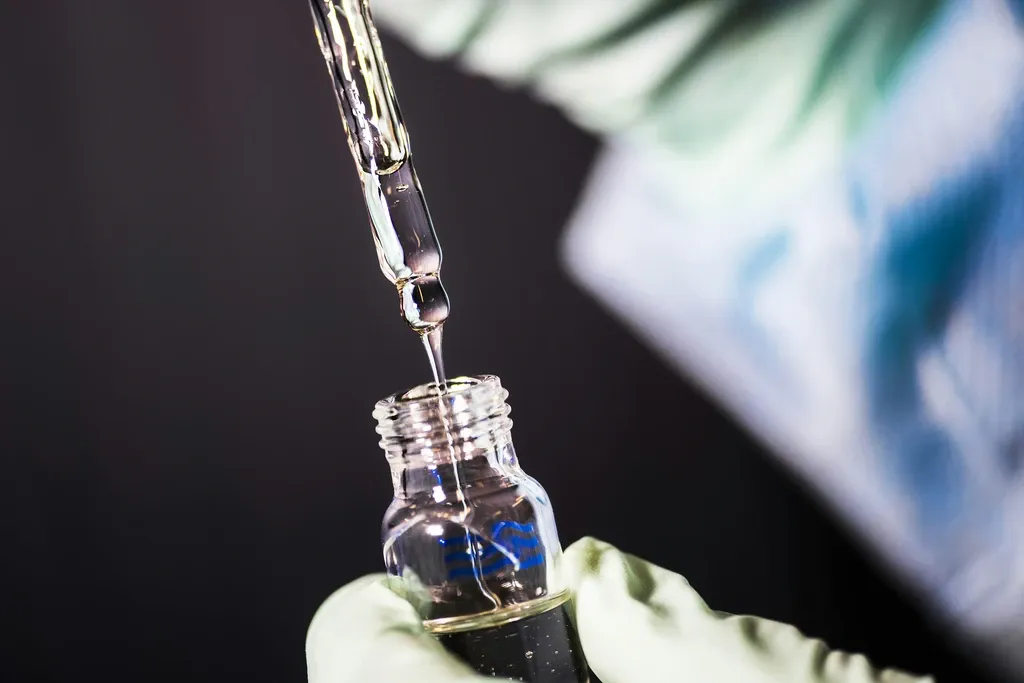
When you hear “clinical trial,” you might think it’s a last resort for patients who’ve run out of options. This is one of the biggest misconceptions in cancer care.
The reality: clinical trials are often where the best, most cutting-edge treatments are available, sometimes years before they become standard care. Many trials are specifically for newly diagnosed patients, and participation in clinical trials is associated with better outcomes.
This comprehensive guide explains everything you need to know about cancer clinical trials to make an informed decision. It comes in two parts; you’re reading Part 1, which covers the basics. Part 2 covers eligibility, the questions to ask, and the consent process. For a broader checklist of what to bring up at your next oncology appointment, see the five questions every cancer patient should ask their oncologist.
What is a cancer clinical trial?
A clinical trial is a carefully controlled research study that tests:
- New treatments (drugs, devices, procedures)
- New combinations of existing treatments
- New ways to use existing treatments
- Prevention strategies
- Screening methods
- Quality of life interventions
The goal: determine if new approaches are:
- Safe (do they cause acceptable side effects?)
- Effective (do they work better than current standards?)
- Better than existing treatments (improved survival, fewer side effects, better quality of life)
Why clinical trials matter: yesterday’s trials are today’s standard care
Every cancer treatment you have access to today was once in a clinical trial:
- Immunotherapy (pembrolizumab, nivolumab): Clinical trials 2010s, standard care now
- Targeted therapies (imatinib for CML, trastuzumab for breast cancer): Trials 1990s to 2000s
- FOLFIRINOX for pancreatic cancer: Trial 2010, now a standard option
- Checkpoint inhibitors for melanoma: Trials 2011 to 2014, revolutionized treatment
Patients who participated in these trials often had better outcomes than those receiving standard care at the time.
Common myths about clinical trials (debunked)
Myth #1: “Clinical trials are only for people who’ve run out of options”
Reality: Many trials are ONLY for newly diagnosed or early-stage patients.
Examples:
- Adjuvant trials (treatment after surgery to prevent recurrence)
- First-line treatment trials for metastatic disease
- Prevention trials for high-risk individuals
- Early detection trials
Fact: Some of the most promising trials specifically exclude patients who’ve had previous treatment.
Myth #2: “I might get a placebo and receive no treatment”
Reality: In cancer trials, you rarely receive a placebo alone.
How it actually works:
- Most cancer trials: New treatment vs. current standard treatment
- Some trials: Standard treatment alone vs. standard treatment + new drug
- Very rare: Placebo alone (only when no effective treatment exists)
Important: If you’re in a trial comparing Treatment A vs. Treatment B, you’ll receive one of them, both are real treatments.
Myth #3: “Clinical trials are dangerous experiments”
Reality: Clinical trials have extensive safety oversight.
Safety measures include:
- Ethics review by Institutional Review Board (IRB)
- FDA oversight and approval
- Data Safety Monitoring Boards that can stop trials if safety concerns arise
- Informed consent process explaining all risks
- Strict eligibility criteria to protect patient safety
- Close monitoring (often more frequent than standard care)
Fact: Clinical trial participants often receive MORE careful monitoring than patients receiving standard care.
Myth #4: “I’ll be a guinea pig”
Reality: By the time a treatment reaches human trials, it has undergone extensive laboratory and animal testing.
The development process:
- Laboratory research (2 to 5 years)
- Animal studies (1 to 3 years)
- Phase 1 human trials (safety testing)
- Phase 2 trials (does it work?)
- Phase 3 trials (is it better than current standard?)
You participate in Phase 1, 2, or 3, after years of preliminary research.
Myth #5: “Clinical trials are free treatment”
Reality: It’s complicated.
What’s typically covered by the trial:
- The experimental drug/treatment
- Extra tests required by the trial protocol
- Additional doctor visits required by the study
What you/insurance typically pay:
- Standard cancer care costs (would pay these anyway)
- Routine tests and scans
- Treatment of side effects
- Hospital stays
Important: The Affordable Care Act requires most insurance to cover routine costs of clinical trial participation.
The phases of clinical trials explained
Understanding trial phases helps you assess potential benefits and risks.
Phase 1 trials: Is it safe?
Purpose: Determine safe dosage and identify side effects
Participants: 20 to 80 people, usually with advanced cancer
What happens:
- Start with very low dose
- Gradually increase dose in different patient groups
- Carefully monitor for side effects
- Determine “maximum tolerated dose”
Success rate: ~5% of participants have tumor shrinkage (not the goal; safety is the goal)
Consider Phase 1 if:
- You have advanced cancer
- Standard treatments have stopped working
- You have a cancer type with no effective treatments
- The drug targets a mutation your tumor has
Risks: Unknown side effects, may not help your cancer
Benefits:
- First access to potentially breakthrough treatments
- Intensive monitoring and care
- Some patients do respond even in Phase 1
Phase 2 trials: Does it work?
Purpose: Determine if the treatment works against specific cancers
Participants: 100 to 300 people with specific cancer types
What happens:
- Given the dose determined safe in Phase 1
- Researchers measure tumor response (shrinkage)
- Continue monitoring side effects
- Determine which cancer types respond best
Success rate: ~30% of Phase 2 trials show enough promise to move to Phase 3
Response rates: Vary widely (10 to 70% of participants might have tumor response)
Consider Phase 2 if:
- The treatment targets your specific cancer type
- Early results are promising
- Standard options are limited
- You want access to newer approaches
Risks: Treatment may not work, side effects still being characterized
Benefits:
- Treatment specifically for your cancer type
- If it works, access years before FDA approval
- Contribute to knowledge about the treatment
Phase 3 trials: Is it better than standard treatment?
Purpose: Compare new treatment to current standard of care
Participants: 300 to 3,000 people (large trials)
What happens:
- Randomization: Assigned to either new treatment or standard treatment
- Neither you nor your doctor choose which arm
- Often “blinded” (you don’t know which you’re getting)
- Followed for months or years
- Researchers compare survival, response rates, side effects
Success rate: ~33% of Phase 3 trials show new treatment is better
Consider Phase 3 if:
- You’re comfortable with randomization
- Both arms of the trial are acceptable to you
- The new treatment has shown promise in Phase 2
- You want to contribute to advancing cancer care
Risks:
- Might receive standard treatment (but that’s what you’d get anyway)
- New treatment might not be better
- New treatment might have more side effects
Benefits:
- 50% chance of receiving potentially better treatment
- Even if in standard arm, receive excellent care with close monitoring
- If new treatment is better, entire study population may be offered it
Important: Many Phase 3 trials allow “crossover”, so if you’re in the standard arm and the trial shows the new treatment is better, you can switch to it.
Phase 4 trials: Post-approval studies
Purpose: Continue studying a treatment after FDA approval
Participants: Thousands
What happens:
- Treatment is already approved and available
- Study long-term effects, optimal use, other cancer types
Consider Phase 4 if:
- You’re receiving the treatment anyway
- You want to contribute to knowledge
- Trials sometimes cover drug costs
Types of cancer clinical trials
Treatment trials
Test new:
- Chemotherapy drugs
- Targeted therapies
- Immunotherapies
- Combinations of treatments
- Surgery techniques
- Radiation approaches
Most common type of cancer trial.
Prevention trials
Test interventions to prevent cancer in:
- High-risk individuals (genetic mutations, family history)
- Cancer survivors (prevent second cancers or recurrence)
- General population
Examples:
- Vaccines (HPV vaccine to prevent cervical cancer)
- Medications (tamoxifen to prevent breast cancer in high-risk women)
- Lifestyle interventions
Screening / early detection trials
Test new ways to detect cancer earlier:
- Blood tests for cancer markers
- Imaging techniques
- Genetic screening approaches
Example: Liquid biopsy trials to detect cancer from blood samples.
Quality of life / supportive care trials
Test interventions to:
- Manage side effects
- Reduce pain
- Improve nutrition
- Address psychological needs
- Enhance survivorship
Examples:
- Exercise programs during chemotherapy
- Medications for neuropathy
- Integrative therapies (acupuncture, meditation)
Benefits of participating in clinical trials
Potential medical benefits:
- Access to cutting-edge treatments before they’re widely available
- More intensive monitoring and medical attention
- Multidisciplinary care from specialist teams
- Additional testing and scans (catching problems earlier)
- Possibly better outcomes (many trials test treatments that may be superior)
Data supports this: Studies show clinical trial participants often have better outcomes than similar patients receiving standard care, even those in the “standard treatment” arm, likely due to more careful protocol adherence and monitoring.
Personal benefits:
- Active participation in your care
- Sense of purpose and hope
- Contributing to science that may help others
- Access to expert teams at leading cancer centers
- Empowerment through knowledge and engagement
Financial considerations:
- Trial sponsor covers experimental treatment costs
- Some trials cover travel, lodging, or other expenses
- May reduce out-of-pocket costs for some treatments
However: you typically still pay for standard care costs.
Risks and downsides of clinical trials
Medical risks:
- Unknown side effects (especially Phase 1 to 2)
- Treatment may not work for you
- More frequent visits and testing (time burden)
- Strict protocols (less flexibility in treatment adjustments)
- Possibility of receiving standard treatment in randomized trials
Practical downsides:
- Time commitment: More appointments, often at specific research centers
- Travel: May need to go to distant cancer center
- Paperwork: Extensive consent forms, questionnaires
- Restrictions: Strict eligibility criteria, can’t take certain other medications
- Uncertainty: Don’t know if you’re in experimental or standard arm (in randomized trials)
Important considerations:
- May delay standard treatment while screening for trial eligibility
- Might not qualify after going through screening process
- Could be randomized out of experimental treatment arm
Continue to Part 2 for eligibility criteria, the questions to ask before enrolling, the informed consent process, and how to decide.
Common myths about clinical trials, debunked
Are clinical trials only for people who've run out of options?
No. Many trials specifically target newly diagnosed patients or those receiving first-line treatment. Trials exist at every stage of the cancer journey, from prevention through advanced disease. Asking about trials early can open access to next-generation treatments that aren't yet standard of care.
Will I get a placebo and receive no treatment?
Placebo-only arms are rare in cancer trials. In most trials, the control arm receives the current standard of care, and the experimental arm receives the standard of care plus the new treatment. Truly inactive placebos are typically only used in supportive-care or prevention trials where no proven standard exists.
Are clinical trials dangerous experiments?
Modern trials go through years of preclinical safety testing and ascending-dose Phase 1 studies before any patient receives the full dose. Trials are continuously monitored by data safety monitoring boards that can stop the trial if harm appears. They are typically safer than off-protocol experimental use because the protections are formalized.
Will I be treated like a guinea pig?
No. Patients in trials often receive more frequent monitoring, more specialist time, and tighter care coordination than patients receiving standard treatment. The informed consent process is extensive, you can withdraw at any time, and your care team's primary obligation remains your individual well-being.
Are clinical trials free treatment?
Partially. The trial sponsor typically covers the experimental drug and trial-specific tests. Standard-of-care costs (routine labs, imaging, hospitalization for unrelated issues) are usually billed to insurance as they would be off-trial. Some trials cover travel and lodging; ask the coordinator for a full cost breakdown before enrolling.
About Radical Health
We're building an AI Oncology Navigator that delivers personalized expert reports so every cancer patient gets clear, evidence-based answers about their case, regardless of where they live. Our AI platform analyzes over 10 million patient records and is overseen by oncologists from UCSF, MSK, UCLA, and Johns Hopkins. Learn more about AI-powered personalized reports at radicalhealth.ai.
Medical disclaimer: This article is for informational purposes only and does not constitute medical advice. Always consult with qualified healthcare providers about your specific diagnosis and treatment options.