Most side effects from Taxol are temporary. Your hair grows back. The body aches fade after each infusion. Your blood counts recover, and within a few months of finishing, most people feel like themselves again.
One side effect breaks this pattern, and it is the reason for this guide. Taxol can damage the small nerves in your hands and feet, causing numbness, tingling, and pain. Known as peripheral neuropathy, it affects up to 80% of patients. It accumulates with every dose, and for some, it never fully disappears.
Right now, there is no proven way to prevent chemotherapy-induced nerve damage. The main tool to stop it from worsening is adjusting your dose, a step your care team can only take if you report your symptoms early.
This guide breaks down what to expect during treatment, what is safe to wait out, and the specific warning signs that require immediate action.
How Taxol Works and Why Your Schedule Matters
Taxol is the brand name for paclitaxel, a drug originally isolated from the bark of the Pacific yew tree. It belongs to a class of chemotherapy known as taxanes.
While most chemotherapy drugs target cell DNA, Taxol takes a unique approach. To divide, cells rely on an internal scaffolding system called microtubules, which must continuously assemble and break down. Taxol freezes this scaffolding in place. Unable to complete division, the cancer cell dies.
Why this triggers nerve damage
Microtubules aren’t just used for division; they also act as microscopic delivery tracks, carrying nutrients and signals down your nerve fibers. The longest nerves in your body run all the way to your fingers and toes. When Taxol freezes that transport system, the distant tips of those nerves suffer first, which explains why numbness and tingling begin in your fingertips and toes.
The weekly vs. 3-week tradeoff
Schedule plays a major role in your experience. In early breast cancer, Taxol is typically given weekly for 12 weeks rather than in larger doses every 3 weeks. Weekly dosing is at least as effective (in one large trial it improved survival) and generally easier to tolerate, causing less severe drops in blood counts. However, because weekly regimens deliver a higher cumulative dose overall, they carry a slightly higher risk of developing neuropathy.
A practical detail patients often miss
Because paclitaxel doesn’t dissolve easily in water, it is prepared using a special solution containing dehydrated alcohol. The alcohol can make you feel lightheaded or slightly dizzy during and after your infusion. Plan to have someone drive you home, especially after your first session.
The First Infusion: Reactions and Premedication
Before every Taxol treatment, you will receive “premeds”: typically a steroid (like dexamethasone), an antihistamine, and an H2 blocker (stomach acid medication). This isn’t just a routine procedure. The liquid carrier used to dissolve Taxol can trigger severe allergic reactions, and premedication reduces that risk to around 1% to 3%.
What to Expect During the Infusion
Infusion reactions usually happen fast, often within the first 10 minutes of your first or second dose. This is why the drip starts slowly and your nurse stays close by. Speak up immediately if you feel any of the following:
- Flushing or sudden warmth
- Chest tightness or shortness of breath
- Low back pain
- Dizziness or a rash
Infusion staff are well-trained to handle these reactions, and acting quickly makes them simple to manage.
The Steroid Factor: A Common Misunderstanding
Steroids carry their own set of side effects, which patients frequently mistake for the chemo itself:
- Sleep & Mood: Insomnia on treatment night, rapid mood swings, or an emotional crash a few days later.
- Physical Effects: A flushed face, increased appetite, and temporary spikes in blood sugar.
Recognizing that these symptoms stem from dexamethasone rather than Taxol is empowering, because the timing is predictable, and your care team can often tweak your steroid dose or schedule to make you more comfortable.
What Most People Experience
Hair Loss
Hair loss is virtually universal with Taxol, typically beginning two to three weeks after your first dose. Unlike some treatments, this includes eyelashes, eyebrows, and body hair, a detail that often catches patients off guard. Scalp cooling (cold capping) during infusions can reduce hair loss for some people; if you are interested, ask your oncology team before your first session, as it requires preparation.
Muscle & Joint Aches (“Taxane Aches”)
Taxane-induced myalgias usually peak 2 to 3 days after each infusion, feeling similar to a severe flu, before fading over the next few days. Over-the-counter pain relievers, warm baths, heating pads, and gentle movement can help. If the aching interferes with daily life, ask your team for prescription options.
Cumulative Fatigue
Unlike the sudden fatigue seen with some drugs, Taxol fatigue tends to build gradually over weeks. It accumulates as treatment progresses, making rest and pacing essential.
Low Blood Counts
Taxol lowers your white blood cells (neutrophils), red blood cells, and platelets. While weekly dosing causes less severe drops than three-week cycles, a fever during chemotherapy is always a medical emergency requiring immediate evaluation.
Nail Changes & Digestive Symptoms
- Nails: Nails may develop ridges, turn dark, grow brittle, or occasionally separate from the nail bed. Keeping nails clean, trimmed, and moisturized helps prevent complications.
- Digestive System: Nausea is generally milder with Taxol than with other regimens like anthracyclines, but mouth soreness, altered taste, mild diarrhea, and loss of appetite are common.
The Side Effect That Can Last: Peripheral Neuropathy
This side effect deserves a dedicated section because it behaves unlike almost everything else associated with Taxol.
How Common Is It?
Across clinical studies, 57% to 83% of patients experience some degree of nerve symptoms during paclitaxel treatment. Moderate-to-severe symptoms that actively interfere with daily living (Grade 2 or above) occur in roughly 22% to 27% of patients on weekly regimens. In a prospective study using detailed neurological evaluations, most patients already reported nerve symptoms by week six.
What It Feels Like
Neuropathy typically begins as numbness, tingling, “pins and needles,” burning, or a sensation like wearing tight invisible gloves and socks. It starts at the tips of your toes and fingers and can gradually move upward.
- Fine Motor Challenges: Tasks like buttoning a shirt, putting on earrings, turning keys, or picking up coins become difficult.
- Mobility Concerns: Some patients experience impaired balance, increasing the risk of falls.
The Accumulation Effect
Neuropathy builds progressively with each dose rather than striking all at once. This cumulative nature presents both a challenge and an opportunity: if caught early, your care team can adjust your dose before permanent nerve damage occurs.
Does It Go Away?
For many patients, symptoms improve significantly in the months following treatment. However, many patients experience persistent, long-term neuropathy, with one analysis finding chronic symptoms in 64% of patients, and long-term follow-up studies in breast cancer showing persistent symptoms years later. Understanding this timeline is essential to managing your treatment safely.
Who Is at Higher Risk?
Tell your care team before starting Taxol if any of the following apply to you:
- Age 65 or older
- Diagnosis of diabetes
- Pre-existing nerve damage from any cause
- History of heavy alcohol use
- Low vitamin B12 levels
What Actually Helps and What Doesn’t
When it comes to preventing or treating neuropathy, an honest look at the evidence is crucial to avoid spending money on ineffective or unsafe remedies.
What Doesn’t Work (or Is Unsafe)
- No Proven Preventative: The American Society of Clinical Oncology (ASCO) guidelines explicitly state that no drug or supplement is currently recommended to prevent neuropathy.
- Avoid Acetyl-L-Carnitine: Skip this supplement. One clinical trial found that it actually made chemotherapy-induced nerve damage worse rather than better.
Promising Non-Drug Approaches
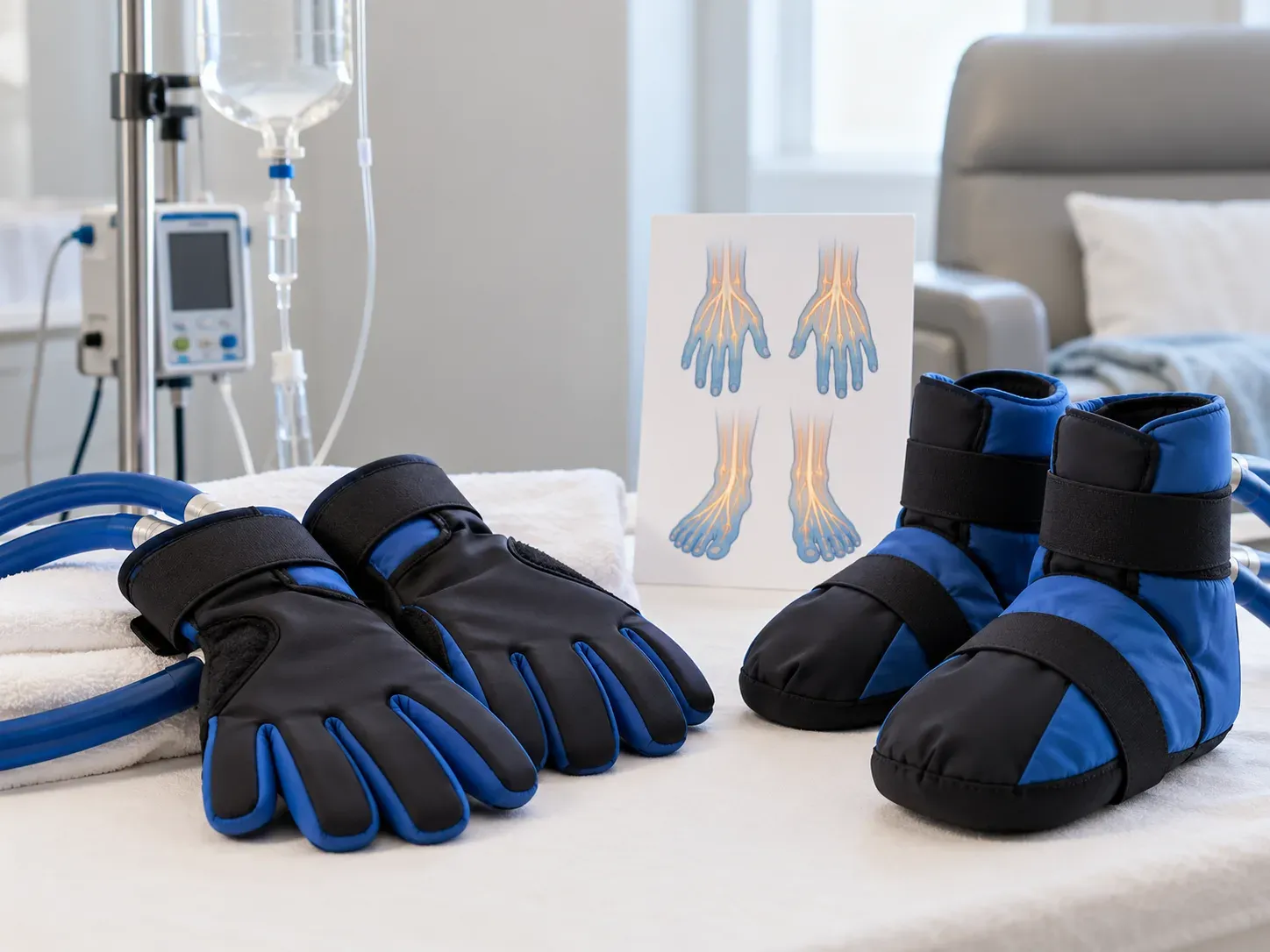
- Cryotherapy & Compression: Wearing frozen gloves and socks or tight compression wear during infusions shows promise in reducing symptom severity. While ASCO notes evidence is still developing, these therapies are generally safe when properly supervised. Do not improvise frozen gloves at home, as improper use carries a risk of frostbite; ask your oncology unit if they provide managed cryotherapy.
- Exercise: Light to moderate activity during treatment is advised and may help ease nerve symptoms.
The Main Interventions
- Dose Adjustment (During Treatment): Adjusting, delaying, or lowering your Taxol dose is the main way to limit progressive nerve damage. Communicating symptoms early isn’t a failure, it is an essential medical strategy.
- Duloxetine (After Treatment): For established, painful neuropathy after chemotherapy ends, duloxetine (Cymbalta) is the only medication formally recommended by ASCO. Its benefits are real, though modest.
Managing Other Side Effects
- Hair Loss: Scalp cooling (if started before treatment).
- Body Aches: Mild analgesics, warmth, and light movement.
- Mouth Sores: A soft-bristled toothbrush and mild, non-spicy foods.
Your Next Steps
Contact Your Team Urgently (24/7 Emergency)
Call your oncology triage line immediately if you experience:
- A fever of 100.4°F (38.0°C) or higher, or any signs of infection.
- Sudden chest tightness, shortness of breath, dizziness, or a rash during or after treatment.
- Unexplained bruising or bleeding.
- Severe mouth sores preventing swallowing, or uncontrolled diarrhea.
Report at Every Appointment
Inform your team about any new or changing numbness, tingling, or clumsiness in your hands or feet, even if it seems minor or trivial.
4 Questions to Ask Before Starting
- “Does this clinic offer supervised cryotherapy or compression gloves during infusions?”
- “Is scalp cooling available, and how effective is it for this specific regimen?”
- “What is your threshold for modifying or reducing my dose if nerve symptoms start?”
- “Who do I call if I develop a fever overnight or on the weekend?”
A Final Word
Taxol is an exceptionally effective drug, and most of its side effects pass quickly. The one effect that can linger, neuropathy, starts quietly and is easy to dismiss when focused on treating cancer. But tingling fingers are not trivial. Your care team cannot see nerve damage on a lab test; speaking up early is the single most powerful step you can take to protect your quality of life for years to come.
This page describes paclitaxel in general terms. Reported rates vary widely between studies depending on the schedule used, the drugs given alongside it, and how neuropathy was measured, so the figures here may not match your regimen. Taxol is frequently given with other chemotherapy or targeted drugs, each adding its own effects. Nothing on this page should be used to delay reporting a symptom, to skip premedication, or to adjust treatment. Dose changes belong with your oncology team, and a fever during chemotherapy always needs same-day medical assessment.
Common questions
How common is neuropathy from Taxol?
Very common. Across clinical studies, 57% to 83% of patients experience some degree of nerve symptoms during paclitaxel treatment, and roughly 22% to 27% on weekly regimens have moderate to severe symptoms that interfere with daily living. It builds with each dose, which is why reporting it early matters.
Does Taxol neuropathy go away?
For many patients, symptoms improve significantly in the months after treatment ends. For some they persist, and long-term studies in breast cancer have found symptoms lasting years. If you notice numbness or tingling, tell your team early, because caught early, your dose can be adjusted before the damage builds up.
Can anything prevent Taxol neuropathy?
No drug or supplement is currently recommended by ASCO to prevent it, and acetyl-L-carnitine should be avoided. Cryotherapy and compression during infusions show promise but the evidence is still developing, so only use them when your oncology unit supervises them. For established, painful neuropathy after treatment, duloxetine is the only medication ASCO recommends.
Why do I get premedication before Taxol?
The liquid used to dissolve Taxol can trigger allergic reactions, so before every treatment you will usually receive a steroid such as dexamethasone, an antihistamine, and an H2 blocker. Reactions tend to happen within the first minutes of the first or second dose, which is why the drip starts slowly. The steroid can also cause sleeplessness, mood swings, and a flushed face, which are often mistaken for the chemotherapy itself.
When should I call my team during Taxol treatment?
Call your oncology triage line immediately for a fever of 100.4°F (38.0°C) or higher or any sign of infection, chest tightness, shortness of breath, dizziness or a rash during or after treatment, unexplained bruising or bleeding, or mouth sores or diarrhea you cannot manage. Report any new numbness, tingling, or clumsiness in your hands or feet at every appointment, even if it seems minor.
Sources
- Prevention and Management of Chemotherapy-Induced Peripheral Neuropathy in Survivors of Adult Cancers: ASCO Guideline Update · Journal of Clinical Oncology, 2020 · doi:10.1200/JCO.20.01399
- Updated ASCO Guideline Revisits Evidence on Prevention and Treatment of Chemotherapy-Induced Neuropathy · The ASCO Post, 2020
- Taxane-Induced Peripheral Neurotoxicity · Toxics, 2015 · doi:10.3390/toxics3020152
- Weekly Paclitaxel‐Induced Neurotoxicity in Breast Cancer: Outcomes and Dose Response · The Oncologist, 2021 · doi:10.1002/onco.13697
- An up-to-date view of paclitaxel-induced peripheral neuropathy · Journal of Cancer Research and Therapeutics, 2023 · doi:10.4103/jcrt.jcrt_1982_22
- Persistent weekly paclitaxel-induced peripheral neuropathy in early breast cancer patients enrolled in a randomized trial of cryotherapy · Medicine, 2023 · doi:10.1097/MD.0000000000033580
- Early taxane exposure and neurotoxicity in breast cancer patients · Supportive Care in Cancer, 2024 · doi:10.1007/s00520-024-08908-2
- Patient-centric decision framework for treatment alterations in patients with Chemotherapy-induced Peripheral Neuropathy (CIPN) · Cancer Treatment Reviews, 2021 · doi:10.1016/j.ctrv.2021.102241
- ASCO updates guidelines on chemotherapy-induced peripheral neuropathy · Healio, 2020
- Weekly Paclitaxel in the Adjuvant Treatment of Breast Cancer · The New England Journal of Medicine, 2008 · doi:10.1056/NEJMoa0707056
- TAXOL® (paclitaxel) INJECTION · U.S. Food and Drug Administration, 2011
- Clinical trials and progress with paclitaxel in ovarian cancer · International Journal of Women's Health, 2010 · doi:10.2147/IJWH.S7012
- Information for Patients Who Are Getting Chemotherapy · Centers for Disease Control and Prevention, 2025