Here’s something that surprises most people starting Herceptin: on its own, it’s a remarkably easy drug to take. It doesn’t cause hair loss. It doesn’t usually cause nausea, mouth sores, or low blood counts. If you’re having a rough year, most of what you’re feeling is almost certainly coming from the chemotherapy given alongside it, not from this.
The distinguishing concern with Herceptin is different and much more specific. It can weaken the heart muscle in some people, which is why you’ll have an echocardiogram or MUGA scan before you start and roughly every three months after. The genuinely reassuring part, and the thing most pages fail to mention, is that this effect is usually reversible, which is not true of the heart damage some chemotherapy drugs cause.
This guide covers the infusions, the cardiac monitoring, how to work out which drug is causing what, and the biosimilar question that comes up constantly.
Demystifying Herceptin: What It Targets and Why That Matters
Around 15% to 20% of breast cancers make too much of a protein called HER2, which sits on the cell surface and drives growth. Herceptin is a monoclonal antibody, a lab-made protein engineered to lock onto HER2 specifically.
This is why the side effect profile looks nothing like chemotherapy. Chemotherapy attacks any rapidly dividing cell, which is why it hits hair follicles, gut lining, and bone marrow. Herceptin targets one protein. Healthy cells that don’t display much HER2 are largely left alone.
The heart is the exception, and the reason is specific. Heart muscle cells carry HER2 receptors too, and they appear to use that signaling pathway to repair themselves under stress. Blocking it doesn’t kill those cells, but it is thought to interfere with their ability to cope, which is why the effect tends to be temporary and tends to recover once the drug stops.
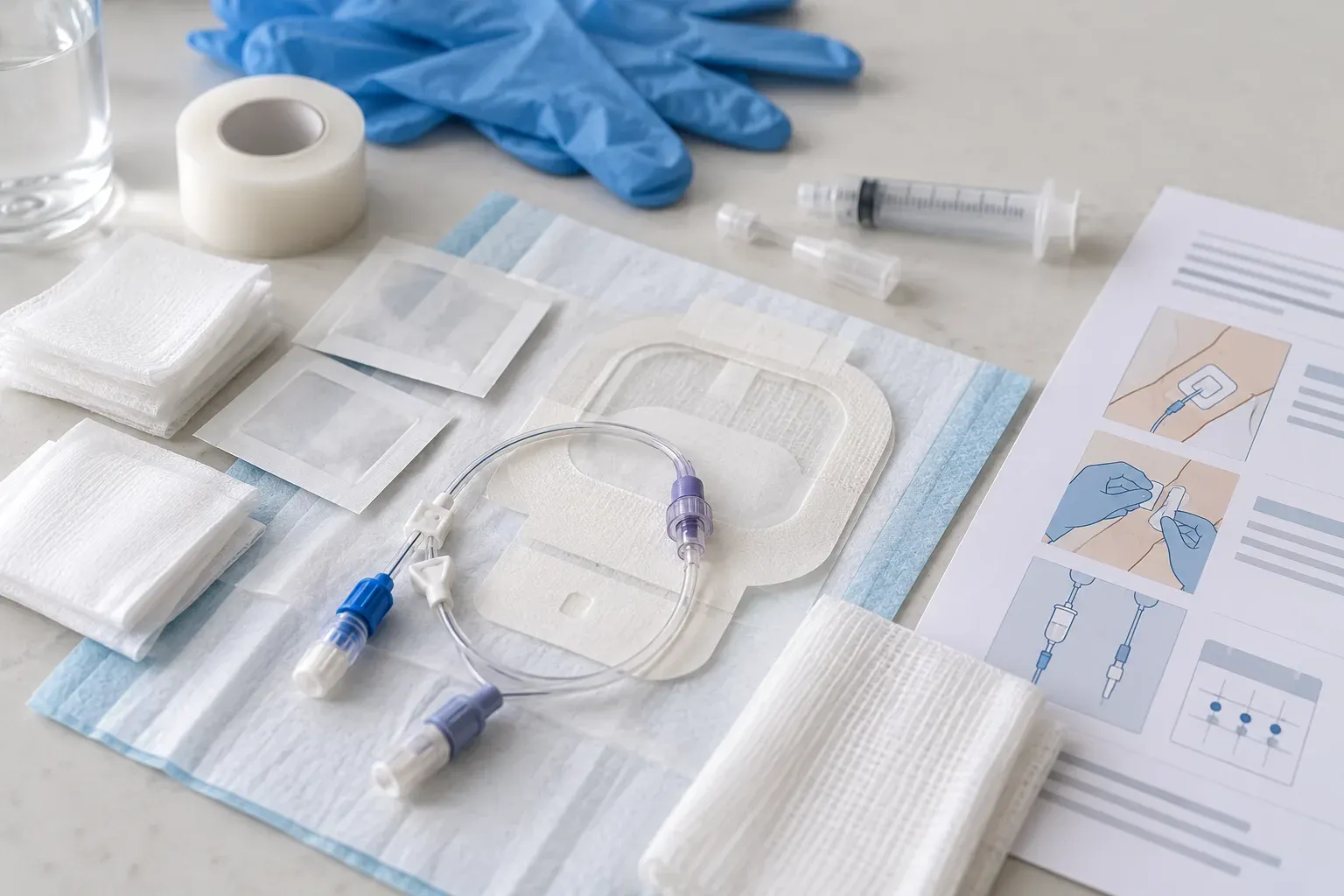
Treatment usually runs for a year, typically around 17 to 18 cycles. It may be given every three weeks, or weekly alongside certain chemotherapy regimens, including paclitaxel. It can be given as an intravenous infusion or, in some centers, as a subcutaneous injection taking only a few minutes.
The First Infusion and What Follows
The first infusion is the one to be prepared for. Chills and fever occur in roughly 40% of patients during that first dose. It can feel alarming and it is entirely expected. Other symptoms may include nausea, headache, dizziness, breathlessness, or pain.
These are managed easily, usually with acetaminophen and an antihistamine, and sometimes by slowing the drip. Permanent discontinuation because of infusion reactions happens in under 1% of patients.
The loading dose is given slowly, often over 90 minutes, with a period of observation afterward. Subsequent infusions are shorter, frequently around 30 minutes, and reactions become less common after the first one or two.
If you’re offered the subcutaneous version, it’s an injection into the thigh over two to five minutes rather than an infusion. It contains the same antibody. There’s also a combined injection containing both trastuzumab and pertuzumab for people who need both.
Why Your Heart Gets Scanned Every Three Months
This is the part that worries people most, so it’s worth understanding the actual numbers rather than the general warning.
How often does it happen? Across the four large trials that established Herceptin in early breast cancer, a significant drop in the heart’s pumping measurement, called the left ventricular ejection fraction or LVEF, occurred in 7.1% to 18.6% of patients. Severe symptomatic heart failure was far less common, ranging from 0.4% to 4.1%. Most people who experience a change have no symptoms at all, and it’s picked up only because they were being scanned.
When does it happen? Usually within the first year, with most cases appearing within the first six months. An early drop matters: a fall of 5% or more within the first three months is strongly associated with developing a more significant problem later, which is exactly why the scanning schedule is front-loaded.
It is usually reversible, and this is the key point. In one study, every LVEF decline under 10% recovered fully. In broader series, more than half of non-severe cases reversed even in people who continued treatment, and around three quarters of patients with symptoms improved with standard heart failure care. This differs fundamentally from anthracycline chemotherapy, where damage tends to be cumulative and permanent.
What monitoring looks like. An echocardiogram or MUGA scan before starting, roughly every three months during treatment, and periodically afterward, often every six months for at least two years.
What happens if your LVEF drops. Treatment is usually paused rather than stopped outright, the scan is repeated after a few weeks, and you may be referred to a cardio-oncologist and started on heart-protective medication such as an ACE inhibitor or beta blocker. Many people resume Herceptin and complete their course. A pause is not the end of treatment.
Who is at higher risk? Having had an anthracycline previously, a lower LVEF before starting, older age, high blood pressure, higher BMI, and smoking. Herceptin is deliberately not given at the same time as anthracyclines for this reason.
Telling Herceptin Apart From Everything Else
Most people take Herceptin alongside chemotherapy for part of the year, then continue it alone. That second phase is often a revelation, because the difference is stark.
What Herceptin itself commonly causes: fatigue, diarrhea, headache, flu-like aching in muscles and joints, nasal congestion, mild rash, and sometimes a low-grade fever around infusion days.
What it does not typically cause: hair loss, significant nausea and vomiting, mouth sores, or a drop in blood counts. If you’re experiencing those, they’re mostly coming from the chemotherapy.
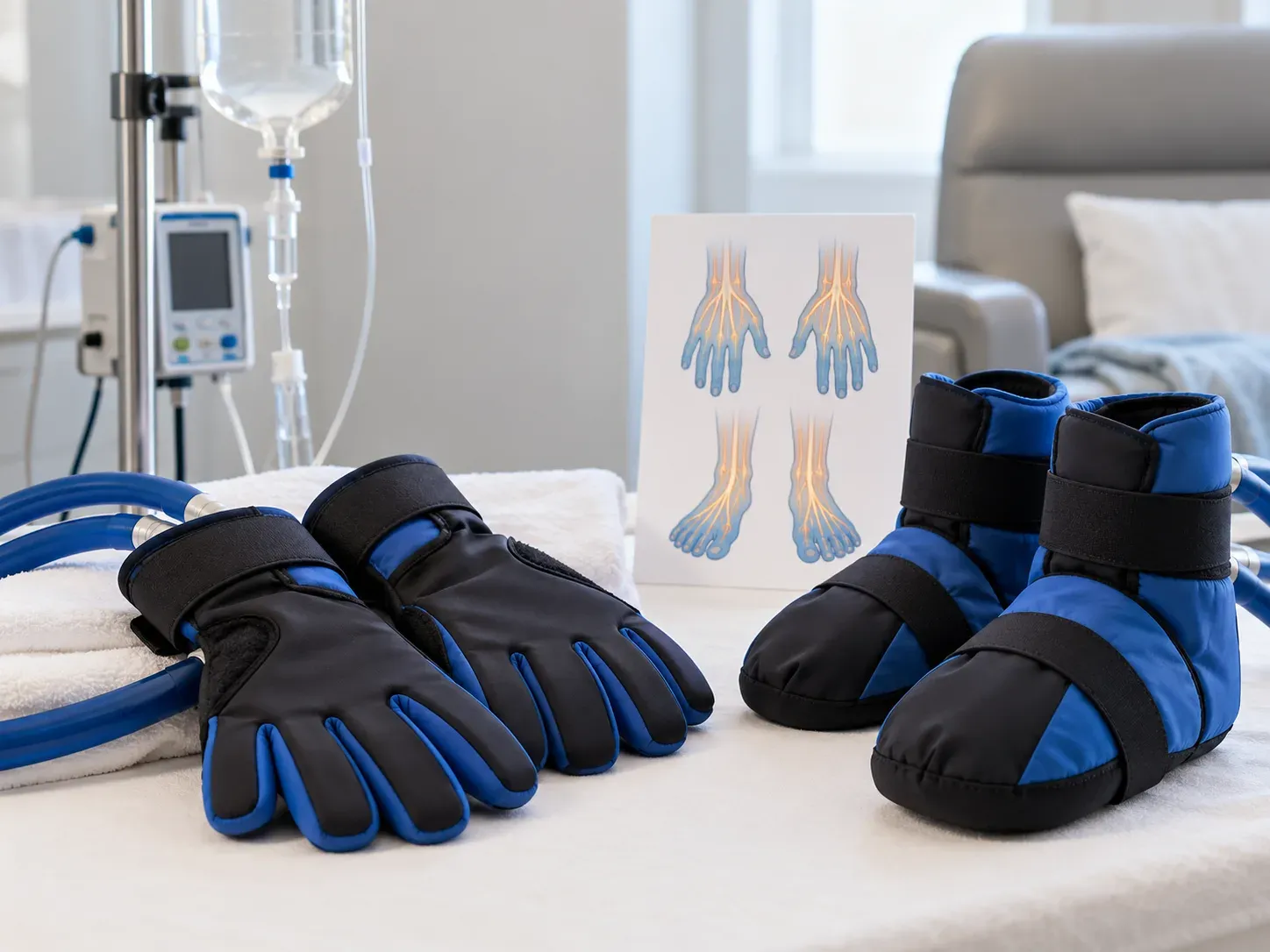
This matters practically. If you’re on paclitaxel alongside Herceptin, the numbness and tingling in your fingers and toes is the paclitaxel, and that one needs reporting early because reducing or pausing the paclitaxel is the only proven way to stop it worsening. The hair loss is the chemotherapy too, and it will come back after that part finishes even though Herceptin continues.
Rare but serious. Lung inflammation, including pneumonitis, has been reported and can be severe. Any new or worsening cough or breathlessness needs same-day contact, partly because it could be lung-related and partly because it could be the heart.
Pregnancy. Herceptin can seriously harm a developing pregnancy, including causing dangerously low amniotic fluid. Effective contraception is necessary during treatment and for seven months afterward.
Biosimilars and the Question Everyone Asks
If your hospital has switched you to a product called Kanjinti, Ogivri, Ontruzant, Herzuma, Trazimera, or Hercessi rather than Herceptin, you’re likely wondering if you’re getting something inferior. It’s a fair question and it deserves a straight answer.
These are biosimilars, and the regulatory standard for approval is that there are no clinically meaningful differences in safety, purity, or potency compared with the original. They’re approved for the same cancers, at the same doses, after comparative studies in patients.
One nuance worth knowing, because people find it and worry. None of the trastuzumab biosimilars currently carries the FDA’s separate “interchangeable” designation. That sounds concerning and mostly isn’t. Interchangeability is an additional regulatory category requiring specific switching studies, and it governs whether a pharmacist can substitute a product without the prescriber’s involvement. It is not a judgment that the biosimilar works less well. Your oncologist is choosing it deliberately, not having it swapped behind their back.
One genuine caution. Herceptin and its biosimilars are not the same as the newer HER2 drugs with similar names, such as trastuzumab emtansine or trastuzumab deruxtecan. Those are different medicines with different side effects and must never be substituted for one another. If you see an unfamiliar name on your paperwork, ask.
Your Next Steps
Contact your team the same day if you notice:
- Breathlessness, particularly when lying flat or with mild activity
- Swelling in your ankles, feet, or legs, or sudden unexplained weight gain
- A persistent cough, new wheeze, or chest tightness
- Palpitations, dizziness, or fainting
- Unusual fatigue that’s clearly worse than your normal baseline
The first four are what heart strain looks like before it becomes serious, and they are the reason the monitoring exists. Reporting them early is what keeps the problem reversible.
Questions worth asking:
- “What was my baseline LVEF, and what’s the number now?”
- “What would make you pause treatment, and what would happen next?”
- “Am I at higher risk given my history or previous chemotherapy?”
- “Which of my current side effects are from Herceptin and which are from the chemo?”
- “Is the subcutaneous injection an option for me?”
A final word. Herceptin transformed the outlook for HER2-positive breast cancer, which was once among the hardest types to treat. A year of treatment sounds daunting and most people find the second half considerably easier than the first, once the chemotherapy finishes. The cardiac monitoring can feel ominous, but it’s worth reframing: those scans exist precisely so that a problem gets caught while it’s still reversible, and in the large majority of people they simply confirm that everything is fine.
This page describes trastuzumab in general terms. Reported rates differ between trials depending on which chemotherapy was given alongside it and how cardiac changes were defined, so the figures here may not reflect your regimen. Your own cardiac risk depends on your heart function before starting, previous anthracycline exposure, age, blood pressure, and other health conditions. Monitoring schedules vary between cancer centers. Nothing on this page should be used to delay reporting a symptom or to change treatment, and decisions about pausing or resuming Herceptin belong with your oncology team.
Common questions
Does Herceptin cause hair loss or nausea?
On its own, Herceptin doesn't cause hair loss, and it doesn't usually cause nausea, mouth sores, or low blood counts. If you're experiencing those, they're mostly coming from the chemotherapy given alongside it. What Herceptin itself commonly causes is fatigue, diarrhea, headache, flu-like aching in muscles and joints, nasal congestion, mild rash, and sometimes a low-grade fever around infusion days.
What happens at the first Herceptin infusion?
Chills and fever occur in roughly 40% of patients during the first dose, and it is entirely expected. These are managed easily, usually with acetaminophen and an antihistamine, and sometimes by slowing the drip. Permanent discontinuation because of infusion reactions happens in under 1% of patients.
Why do I need heart scans while on Herceptin?
Herceptin can weaken the heart muscle in some people, so you'll have an echocardiogram or MUGA scan before starting and roughly every three months during treatment. Across the four large trials that established Herceptin in early breast cancer, a significant drop in LVEF occurred in 7.1% to 18.6% of patients, and severe symptomatic heart failure in 0.4% to 4.1%. Most people who experience a change have no symptoms at all, which is why the scans matter.
Is heart damage from Herceptin permanent?
It is usually reversible. In one study, every LVEF decline under 10% recovered fully, and in broader series more than half of non-severe cases reversed even in people who continued treatment. If your LVEF drops, treatment is usually paused rather than stopped outright, and many people resume Herceptin and complete their course.
Are Herceptin biosimilars as good as Herceptin?
Biosimilars such as Kanjinti, Ogivri, Ontruzant, Herzuma, Trazimera, and Hercessi are approved on the standard that there are no clinically meaningful differences in safety, purity, or potency compared with the original, for the same cancers and at the same doses. None currently carries the FDA's separate interchangeable designation, but that governs whether a pharmacist can substitute a product without the prescriber's involvement. It is not a judgment that the biosimilar works less well.
Sources
- HERCEPTIN® (trastuzumab) for injection, for intravenous use · U.S. Food and Drug Administration, 2024
- Trastuzumab (Monograph) · Drugs.com, 2026
- Trastuzumab-Induced Cardiotoxicity: Heart Failure at the Crossroads · Mayo Clinic Proceedings, 2008 · doi:10.4065/83.2.197
- HER2 Heartbreak? Understanding the Management of Cardiotoxicity From Trastuzumab in HER2-Positive Breast Cancer · Journal of Hematology Oncology Pharmacy, 2026
- Cardiac monitoring in HER2-positive patients on trastuzumab treatment: A review and implications for clinical practice · The Breast, 2020 · doi:10.1016/j.breast.2020.04.005
- Trastuzumab in Female Breast Cancer Patients With Reduced Left Ventricular Ejection Fraction · Journal of the American Heart Association, 2018 · doi:10.1161/JAHA.118.008637
- Early Decline in Left Ventricular Ejection Fraction Can Predict Trastuzumab-Related Cardiotoxicity in Patients with Breast Cancer: A Study Using 13 Years of Registry Data · Cancer Research and Treatment, 2019 · doi:10.4143/crt.2018.262
- Which Patients on Long-Term Trastuzumab Need Cardiac Monitoring? · US Pharmacist, 2021
- Cardiotoxicity during long-term trastuzumab use in patients with HER2-positive metastatic breast cancer: who needs cardiac monitoring? · Breast Cancer Research and Treatment, 2021 · doi:10.1007/s10549-020-06039-w
- Trastuzumab Biosimilars: What to Know About Ogivri and Other Herceptin Alternatives · GoodRx, 2023
- Cardiac Surveillance Guidelines for Trastuzumab-Containing Therapy in Early-Stage Breast Cancer: Getting to the Heart of the Matter · Journal of Clinical Oncology, 2016 · doi:10.1200/JCO.2015.64.5515
- Updated ASCO Guideline Revisits Evidence on Prevention and Treatment of Chemotherapy-Induced Neuropathy · The ASCO Post, 2020